




How Much Does a Walk-In Shower Cost in Illinois? (2026 Pricing Guide)
On This Page Introduction Conclusion Related Services Frequently Asked Questions Ready to Transform Your Bathroom? Schedule Your Free In-Home Estimate Today Free In-Home Estimate
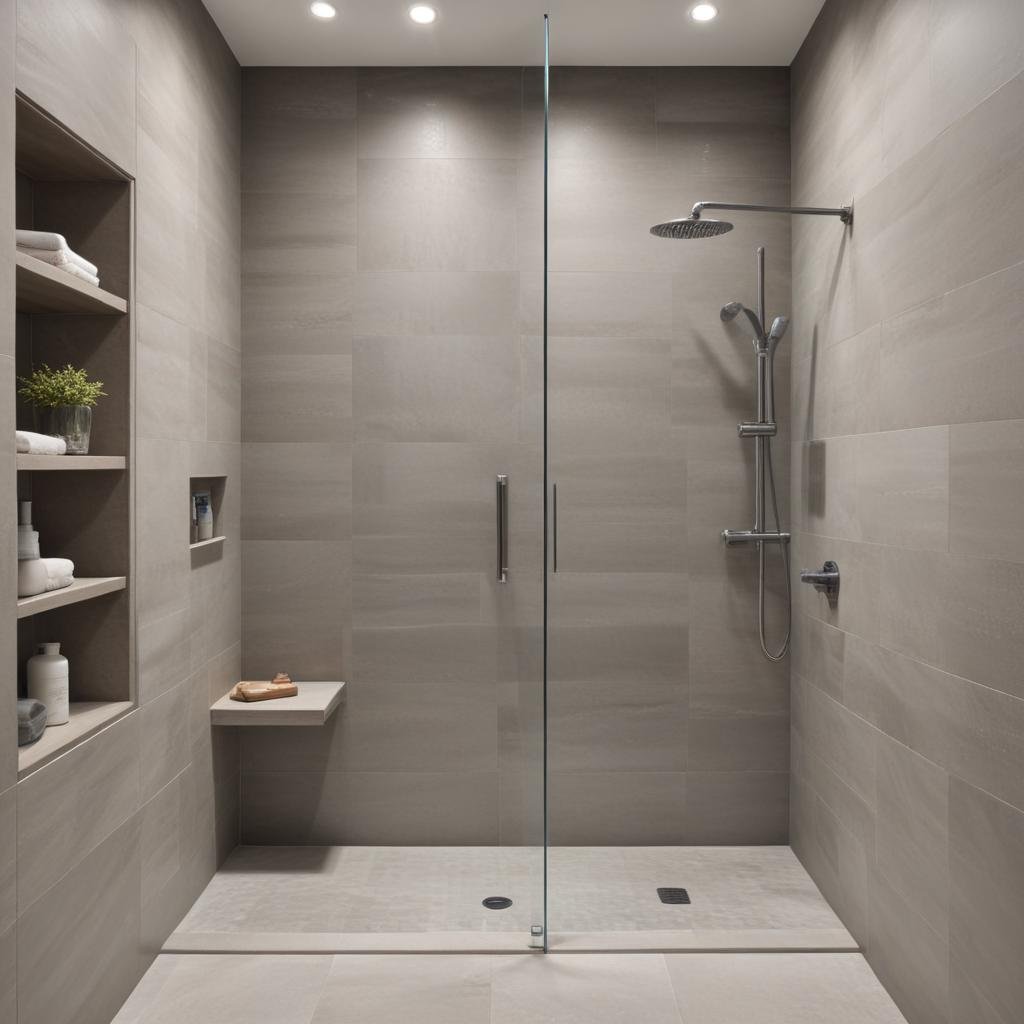
For most residential projects in Lake and McHenry County, walk-in shower installation falls into three broad tiers. A basic prefabricated or acrylic shower unit runs between $3,000 and $5,500 installed. Mid-range projects — think larger footprints, better fixtures, or semi-custom acrylic panels — land between $5,500 and $9,000. Full custom tile showers with upgraded hardware, built-in niches, or bench seating push costs into the $9,000 to $15,000+ range.
These numbers assume a standard bathroom footprint with existing plumbing in reasonable condition. Add plumbing relocation, structural repairs, or a full bathroom gut job, and the total climbs accordingly. Most homeowners find their project falls in the middle tier — a well-appointed walk-in shower that doesn’t require moving walls or re-routing drain lines.
Size is the most straightforward variable. A 36″ x 36″ shower costs less to tile, waterproof, and enclose than a 60″ x 36″ walk-in. More square footage means more materials and more labor hours — simple math.
Labor rates in Chicagoland run higher than rural Illinois. Contractors in Lake County and McHenry County typically charge between $50 and $90 per hour for shower installation work, depending on the complexity of the project and the trades involved. A straightforward swap — old tub out, new acrylic shower in — moves faster than a custom tile build that requires a waterproofing membrane, multiple setting material layers, and precise grout work.
Plumbing is the wildcard. If your existing drain aligns with the new shower base and the supply lines don’t need moving, plumbing adds minimal cost. If you’re converting a tub alcove to a walk-in and the drain needs to shift even a few inches, a licensed plumber’s time adds $300 to $1,500 or more to the job. Always clarify this before signing a contract.
Acrylic shower systems win on upfront cost, every time. A quality acrylic surround with a matching base installs faster, requires less labor, and eliminates the need for ongoing grout maintenance. For homeowners who want a clean, durable result at a predictable price, acrylic is the practical choice.
Tile showers cost more to install but offer complete design flexibility. You choose the size, pattern, color, and layout. A tile shower built correctly — with a proper waterproofing system underneath — lasts decades and adds genuine appeal to a home. The tradeoff is higher labor cost and the need to re-seal grout periodically to prevent staining and moisture infiltration.
Here’s a quick comparison at a glance:
According to Bob Vila’s 2024 cost analysis, tile showers average roughly 30–40% more in labor costs compared to prefab or acrylic alternatives, largely because of the time required for waterproofing, setting, grouting, and curing.
Updated bathrooms consistently rank among the top return-on-investment remodels for residential homes. A walk-in shower — especially in a master bathroom — appeals to a broad range of buyers and often helps a home sell faster in competitive markets like the Chicago suburbs.
The 2024 Cost vs. Value Report from Remodeling Magazine shows that midrange bathroom remodels in the Midwest recoup roughly 60–70% of their cost at resale. That figure rises when the project replaces a functionally obsolete tub-shower combo with a walk-in shower that aligns with current buyer preferences.
One of the most common projects EZ Bath N Shower handles is converting an existing tub alcove into a walk-in shower. This eliminates the bathtub entirely and opens up usable floor space. In Illinois, a tub-to-shower conversion typically runs between $4,000 and $8,500 depending on whether you choose acrylic or tile and how much plumbing work the conversion requires.
The existing alcove framing often stays in place, which keeps demo costs down. The bigger variable is the drain location. Standard tub drains sit near the wall; shower drains typically center in the floor. That shift requires a plumber and adds time to the project.
A complete quote from a reputable contractor covers removal and disposal of the existing tub or shower unit, surface preparation, waterproofing, installation of the shower base or floor, wall panels or tile, a shower door or enclosure, and fixture installation. Some contractors include the cost of fixtures; others quote labor only and have you supply the hardware.
Always ask what’s explicitly included. A quote that looks low might exclude the shower door, the valve trim, or disposal fees. Transparent contractors itemize everything — that’s the only way to compare bids fairly.
Stick with a layout that doesn’t require moving plumbing. Keep your shower footprint within the existing alcove or bathroom footprint. Choose a quality acrylic system if you’re working with a tighter budget — you’ll get a durable, good-looking result without the added labor of a custom tile build.
Avoid the temptation to go with the lowest bid without understanding what it includes. A $2,800 quote that excludes waterproofing, disposal, and the shower door isn’t actually cheaper than a $5,200 all-in quote. Ask every contractor to break down their pricing line by line so you’re comparing the same scope of work.
On This Page Introduction Conclusion Related Services Frequently Asked Questions Ready to Transform Your Bathroom? Schedule Your Free In-Home Estimate Today Free In-Home Estimate

On This Page Introduction Conclusion Related Services Frequently Asked Questions Ready to Transform Your Bathroom? Schedule Your Free In-Home Estimate Today Free In-Home Estimate

On This Page Introduction Conclusion Related Services Frequently Asked Questions Ready to Transform Your Bathroom? Schedule Your Free In-Home Estimate Today Free In-Home Estimate