



How Much Does a Walk-In Shower Cost in Illinois? (2026 Pricing Guide)
On This Page Introduction Conclusion Related Services Frequently Asked Questions Ready to Transform Your Bathroom? Schedule Your Free In-Home Estimate Today Free In-Home Estimate
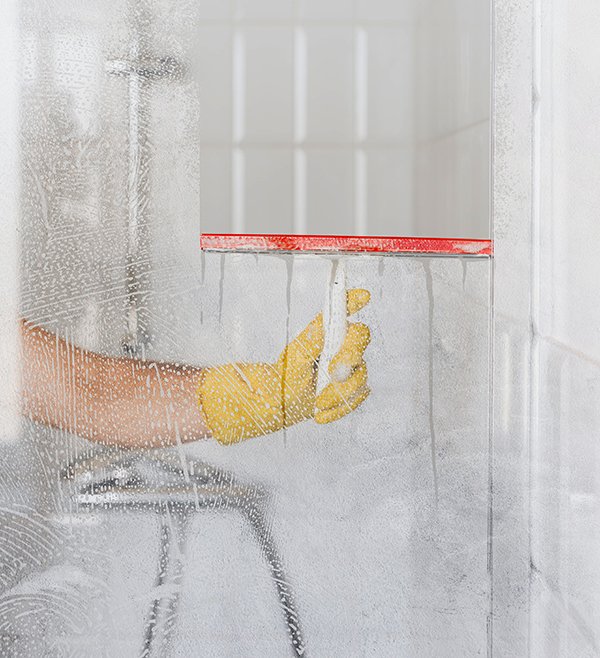
Keeping a bathroom clean can be one of the most frustrating parts of home maintenance — especially when dealing with stained grout, mold buildup, soap scum, and hard-to-clean tile surfaces. For many homeowners, traditional tile showers require constant scrubbing and ongoing maintenance to keep them looking fresh.
That’s one reason acrylic showers have become increasingly popular in modern bathroom remodeling projects. Acrylic shower systems are known for their smooth, non-porous surfaces, easier cleaning routines, and lower long-term maintenance requirements compared to many traditional shower materials.
According to the National Association of Home Builders (NAHB), homeowners continue prioritizing low-maintenance materials during remodeling projects, particularly in kitchens and bathrooms where moisture and daily use can accelerate wear and tear.
Whether you’re remodeling a family bathroom, upgrading a rental property, or planning an accessible walk-in shower, understanding the maintenance requirements of acrylic showers can help you decide if they’re the right fit for your home.
Sources:
An acrylic shower is a prefabricated shower system typically made from reinforced acrylic panels and shower bases. These systems are designed to create a durable, water-resistant enclosure that is easier to install and maintain than many traditional tile showers.
Unlike tile surfaces that rely on grout lines, acrylic shower walls are usually seamless or feature very few joints. This smooth construction helps reduce moisture buildup, mildew growth, and dirt accumulation.
Acrylic is often confused with fiberglass, but the two materials are different. Acrylic showers are generally more durable, more flexible, and more resistant to cracking than standard fiberglass systems. Many manufacturers also design acrylic shower panels with stain-resistant and mildew-resistant finishes.
Because acrylic surfaces are non-porous, they absorb less moisture than grout and natural stone, making them easier to clean and maintain over time.
In addition to their practical benefits, acrylic showers are available in a wide range of colors, styles, and configurations, including modern walk-in shower designs and accessibility-focused layouts.
Sources:
One of the biggest maintenance advantages of acrylic showers is the lack of grout lines. Traditional tile showers often require regular grout cleaning because grout can trap soap scum, dirt, mold, and mildew.
With acrylic wall panels, homeowners spend less time scrubbing and sealing surfaces.
Acrylic showers are made from non-porous materials, which means they resist moisture absorption more effectively than grout and some natural stone surfaces.
According to the Environmental Protection Agency (EPA), mold can begin growing within 24 to 48 hours in damp environments. Bathrooms are especially vulnerable because of high humidity and limited ventilation.
Because acrylic surfaces dry more quickly and absorb less moisture, they help reduce the conditions that encourage mold and mildew growth.
Most acrylic showers can be cleaned using simple household products like mild dish soap, warm water, and microfiber cloths. Many homeowners find that routine maintenance takes only a few minutes each week.
Unlike tile showers, acrylic systems typically do not require grout sealing or specialized cleaning products.
Tile showers may eventually develop cracked grout, loose tiles, or water damage behind the walls if waterproofing fails. Acrylic shower systems generally involve fewer maintenance-related repairs when properly installed.
Sources:
Simple daily habits can help keep an acrylic shower looking clean and extend its lifespan.
Recommended practices include:
Reducing excess moisture helps minimize soap scum, mildew, and mineral buildup.
Most acrylic showers only require gentle weekly cleaning. A common cleaning solution includes:
These products are typically effective enough to remove dirt and residue without damaging the acrylic finish.
Harsh cleaning methods can damage acrylic surfaces over time.
Avoid:
Abrasive products can dull the glossy finish and create microscopic scratches that trap dirt more easily.
While acrylic showers are considered low-maintenance, regular cleaning is still important for preserving appearance and preventing buildup.
Acrylic shower walls are smooth, non-porous, and built to resist mildew — so you spend less time scrubbing and more time enjoying your bathroom.
When properly maintained and professionally installed, acrylic showers can last 10 to 15 years or longer.
Acrylic is more flexible than fiberglass, which helps reduce the likelihood of cracking under pressure or movement. This flexibility makes acrylic a popular choice for busy households and frequently used bathrooms.
Durability also depends heavily on:
Although acrylic is durable, sharp impacts or improper cleaning products can still damage the surface.
Another advantage is repairability. Minor scratches and blemishes can sometimes be buffed or repaired without replacing the entire shower system.
Professional installation remains important because improper fitting or inadequate support beneath the shower base can reduce the system’s lifespan over time.
Sources:
For many homeowners, acrylic showers are a worthwhile investment because they simplify cleaning, reduce maintenance demands, and improve everyday functionality.
Their lower maintenance requirements make them especially appealing for:
Acrylic systems are also often more affordable than fully custom tile showers while still offering modern aesthetics and long-term durability.
Homeowners increasingly prioritize practical remodeling upgrades that reduce future maintenance while improving comfort and accessibility.
Additionally, faster installation timelines can help minimize bathroom downtime during remodeling projects.
Source:
Routine maintenance typically includes rinsing surfaces, using mild cleaners, reducing humidity, and avoiding abrasive products.
No. Acrylic showers are generally considered easier to clean than tile showers because they have fewer grout lines and smoother surfaces.
Acrylic showers resist staining well when cleaned regularly and maintained properly.
Well-maintained acrylic shower systems can often last 10–15 years or longer.
That depends on homeowner priorities. Acrylic showers are typically easier to maintain, while tile offers greater design customization.
Small amounts of diluted bleach may be safe occasionally, but harsh or concentrated bleach products should generally be avoided to protect the finish.
So, are acrylic showers easy to maintain? For most homeowners, the answer is yes.
Their smooth, non-porous surfaces simplify cleaning, reduce mold and mildew buildup, and eliminate many of the maintenance issues associated with traditional tile showers. Combined with faster installation times, affordability, and long-term durability, acrylic showers continue to be one of the most practical bathroom remodeling solutions available.
Whether you’re upgrading a primary bathroom, converting a tub into a walk-in shower, or planning a low-maintenance renovation, acrylic shower systems offer a functional and stylish option that can make everyday cleaning significantly easier.
If you’re looking for a shower solution that balances convenience, durability, and modern design, acrylic showers are well worth considering.
Whether you need a full tear-out or a focused upgrade, our team is here to help you create a bathroom you’ll love.
On This Page Introduction Conclusion Related Services Frequently Asked Questions Ready to Transform Your Bathroom? Schedule Your Free In-Home Estimate Today Free In-Home Estimate

On This Page Introduction Conclusion Related Services Frequently Asked Questions Ready to Transform Your Bathroom? Schedule Your Free In-Home Estimate Today Free In-Home Estimate

On This Page Introduction Conclusion Related Services Frequently Asked Questions Ready to Transform Your Bathroom? Schedule Your Free In-Home Estimate Today Free In-Home Estimate