



How Much Does a Walk-In Shower Cost in Illinois? (2026 Pricing Guide)
On This Page Introduction Conclusion Related Services Frequently Asked Questions Ready to Transform Your Bathroom? Schedule Your Free In-Home Estimate Today Free In-Home Estimate
If you’re considering replacing your bathtub with a walk-in shower, one of the first questions that probably comes to mind is, “How long is this going to take?” After all, your bathroom is one of the most frequently used spaces in your home, and no homeowner wants a remodeling project to drag on longer than necessary.
The good news is that a tub-to-shower conversion is often much faster than a complete bathroom renovation. In many cases, homeowners can enjoy a brand-new shower in just a few days. However, the exact timeline depends on several factors, including the condition of the existing bathroom, the type of shower system being installed, and whether any plumbing or structural modifications are required.
Tub-to-shower conversions have become increasingly popular in recent years as homeowners prioritize accessibility, convenience, and modern design. According to the Houzz U.S. Bathroom Trends Study, showers continue to be one of the most popular upgrades during bathroom remodels, with many homeowners opting for larger, more functional shower spaces instead of traditional bathtubs.
Whether you’re upgrading for accessibility, improving daily convenience, or simply modernizing your bathroom, understanding the timeline can help you plan your project with confidence.
If you’re considering replacing your bathtub with a walk-in shower, one of the first questions that probably comes to mind is, “How long is this going to take?” After all, your bathroom is one of the most frequently used spaces in your home, and no homeowner wants a remodeling project to drag on longer than necessary.
The good news is that a tub-to-shower conversion is often much faster than a complete bathroom renovation. In many cases, homeowners can enjoy a brand-new shower in just a few days. However, the exact timeline depends on several factors, including the condition of the existing bathroom, the type of shower system being installed, and whether any plumbing or structural modifications are required.
Tub-to-shower conversions have become increasingly popular in recent years as homeowners prioritize accessibility, convenience, and modern design. According to the Houzz U.S. Bathroom Trends Study, showers continue to be one of the most popular upgrades during bathroom remodels, with many homeowners opting for larger, more functional shower spaces instead of traditional bathtubs.
Whether you’re upgrading for accessibility, improving daily convenience, or simply modernizing your bathroom, understanding the timeline can help you plan your project with confidence.
A tub-to-shower conversion involves removing an existing bathtub and replacing it with a shower system. While the concept sounds straightforward, the scope of the project can vary significantly depending on the design and features you choose.
For some homeowners, the conversion consists of removing the bathtub and installing a prefabricated acrylic shower system with new fixtures and wall panels. These projects are generally completed quickly and involve minimal disruption.
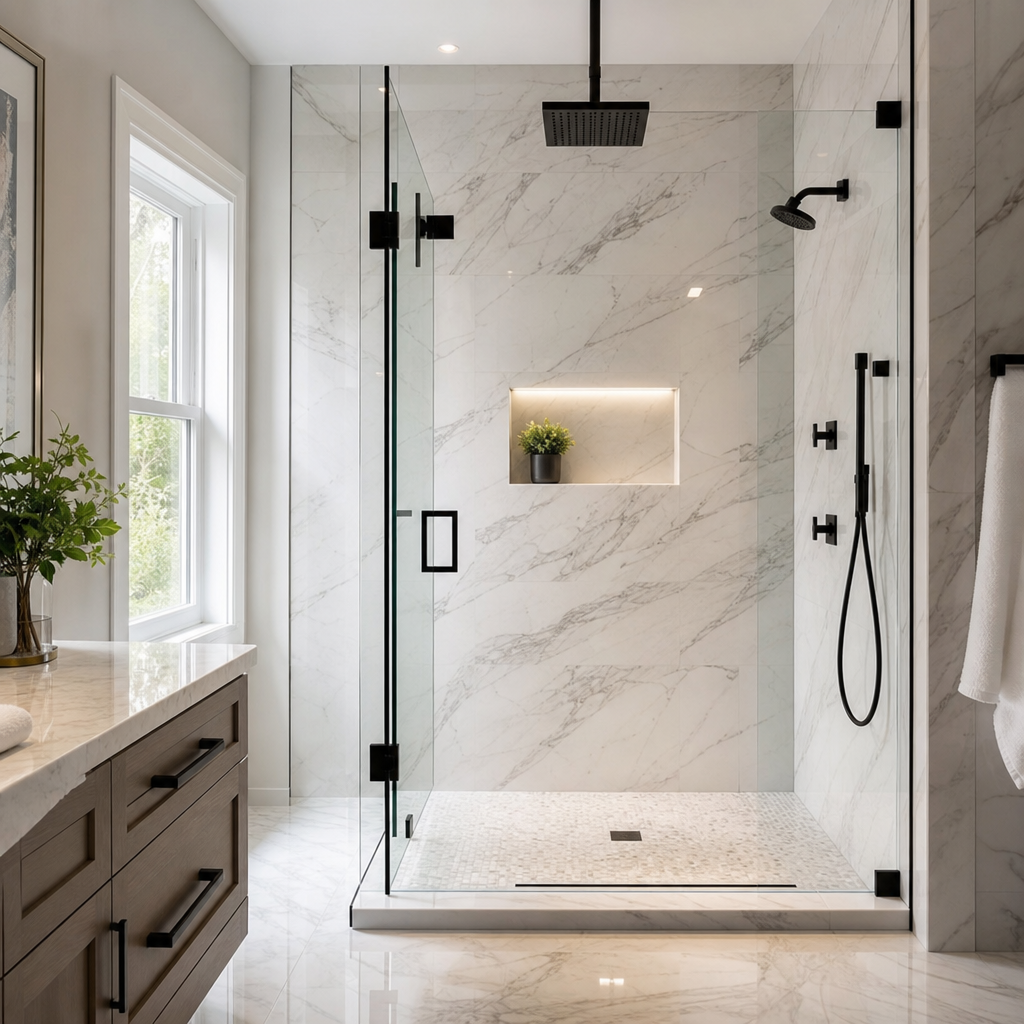
Others choose a more customized approach, incorporating features such as decorative tile, built-in shower niches, frameless glass enclosures, rainfall showerheads, bench seating, and accessibility upgrades. While these additions can enhance both appearance and functionality, they also require additional installation time.
One reason tub-to-shower conversions have become so popular is their ability to maximize usable space. Many homeowners discover that they rarely use their bathtub but use the shower every day. Replacing the tub with a larger walk-in shower can make the bathroom feel more open, modern, and practical.
Accessibility is another major factor driving demand. According to AARP, more homeowners are investing in aging-in-place upgrades that allow them to remain comfortable and independent in their homes as they get older. Walk-in showers, curbless entries, grab bars, and slip-resistant flooring are among the most requested bathroom improvements for long-term accessibility.
Beyond convenience, a tub-to-shower conversion can completely transform the look and feel of a bathroom, making it one of the most impactful remodeling projects available.
The timeline for a tub-to-shower conversion depends largely on the type of shower being installed.
For a standard conversion using a prefabricated acrylic or composite shower system, installation can often be completed in as little as one to three days. These systems are manufactured in advance and arrive ready for installation, allowing contractors to work efficiently once demolition begins.
A typical installation may involve removing the bathtub, making minor plumbing adjustments, installing the shower base, securing wall panels, and connecting new fixtures. Because many of these components are designed to fit together seamlessly, the process is considerably faster than building a custom shower from scratch.
Custom tile showers require more time. Depending on the complexity of the design, these projects often take five to ten days or longer. Unlike prefabricated systems, custom showers require waterproofing, tile installation, grout curing, and glass fabrication. Each of these steps adds time to the overall project.
Another factor that influences the schedule is material availability. Custom glass doors, specialty fixtures, and imported tile may require additional lead times before installation can even begin.
While every project is different, homeowners are often surprised by how quickly a standard tub-to-shower conversion can be completed compared to a full bathroom remodel, which may take several weeks.
A tub-to-shower conversion can be completed in as little as one to three days — giving you a more functional, modern bathroom without the long wait.
Understanding the process can help eliminate uncertainty and provide a realistic picture of what to expect during the project.
The first phase is planning and design. During the consultation, measurements are taken, materials are selected, and the scope of work is finalized. This preparation stage is critical because decisions made upfront often determine how smoothly the installation proceeds.
Once construction begins, demolition is usually the first major step. Contractors remove the existing bathtub, dispose of old materials, and inspect the exposed area. This stage often reveals hidden conditions that were previously concealed behind walls or beneath the tub.
After demolition, contractors evaluate the plumbing system. If the existing plumbing is in good condition and properly positioned, only minor adjustments may be necessary. However, older homes sometimes require plumbing upgrades to meet current building standards or accommodate the new shower layout.
Next comes the installation of the shower system itself. For acrylic showers, this typically involves installing a shower base followed by wall panels and fixtures. Custom tile showers require additional waterproofing membranes, tile installation, grout application, and curing time.
The final stage includes installing accessories, sealing joints, testing plumbing connections, and completing a thorough cleanup. Glass enclosures, if included, are often installed near the end of the project to prevent damage during construction.
By the time the project is complete, homeowners are left with a completely transformed space that often feels larger, brighter, and more functional than before.
Understanding the process can help eliminate uncertainty and provide a realistic picture of what to expect during the project.
The first phase is planning and design. During the consultation, measurements are taken, materials are selected, and the scope of work is finalized. This preparation stage is critical because decisions made upfront often determine how smoothly the installation proceeds.
Once construction begins, demolition is usually the first major step. Contractors remove the existing bathtub, dispose of old materials, and inspect the exposed area. This stage often reveals hidden conditions that were previously concealed behind walls or beneath the tub.
After demolition, contractors evaluate the plumbing system. If the existing plumbing is in good condition and properly positioned, only minor adjustments may be necessary. However, older homes sometimes require plumbing upgrades to meet current building standards or accommodate the new shower layout.
Next comes the installation of the shower system itself. For acrylic showers, this typically involves installing a shower base followed by wall panels and fixtures. Custom tile showers require additional waterproofing membranes, tile installation, grout application, and curing time.
The final stage includes installing accessories, sealing joints, testing plumbing connections, and completing a thorough cleanup. Glass enclosures, if included, are often installed near the end of the project to prevent damage during construction.
By the time the project is complete, homeowners are left with a completely transformed space that often feels larger, brighter, and more functional than before.
Understanding the process can help eliminate uncertainty and provide a realistic picture of what to expect during the project.
The first phase is planning and design. During the consultation, measurements are taken, materials are selected, and the scope of work is finalized. This preparation stage is critical because decisions made upfront often determine how smoothly the installation proceeds.
Once construction begins, demolition is usually the first major step. Contractors remove the existing bathtub, dispose of old materials, and inspect the exposed area. This stage often reveals hidden conditions that were previously concealed behind walls or beneath the tub.
After demolition, contractors evaluate the plumbing system. If the existing plumbing is in good condition and properly positioned, only minor adjustments may be necessary. However, older homes sometimes require plumbing upgrades to meet current building standards or accommodate the new shower layout.
Next comes the installation of the shower system itself. For acrylic showers, this typically involves installing a shower base followed by wall panels and fixtures. Custom tile showers require additional waterproofing membranes, tile installation, grout application, and curing time.
The final stage includes installing accessories, sealing joints, testing plumbing connections, and completing a thorough cleanup. Glass enclosures, if included, are often installed near the end of the project to prevent damage during construction.
By the time the project is complete, homeowners are left with a completely transformed space that often feels larger, brighter, and more functional than before.
Although many tub-to-shower conversions proceed smoothly, certain factors can extend the schedule.
One of the most common issues is plumbing modifications. If the drain location needs to be moved or outdated plumbing requires replacement, additional labor may be necessary. Homes built several decades ago often present unexpected plumbing challenges that are not visible until demolition begins.
Water damage is another frequent discovery. Bathrooms are exposed to constant moisture, and leaks behind walls or under tubs can go unnoticed for years. If contractors uncover damaged subflooring, deteriorated framing, or compromised drywall, repairs must be completed before the new shower can be installed.
Mold is also a concern. According to the Environmental Protection Agency (EPA), mold can begin growing within 24 to 48 hours when moisture is present. If mold is discovered during demolition, proper remediation is necessary to protect both the home and its occupants.
Custom features can further increase the timeline. Built-in benches, recessed storage niches, decorative tile patterns, and frameless glass enclosures all require additional craftsmanship and installation time.
Permit requirements may also influence scheduling. Depending on your municipality, plumbing modifications or structural changes may require inspections before work can continue. While permits help ensure safety and compliance, they can occasionally introduce scheduling delays.
Material availability has become another important consideration in recent years. Specialty products, custom glass, and imported materials may take weeks to arrive, making early planning essential.
When homeowners are concerned about installation speed, the choice of materials can make a significant difference.
Acrylic shower systems are generally the fastest option. Because the wall panels and shower bases are prefabricated, installation can often be completed within a few days. Acrylic systems are also popular because they require minimal maintenance and eliminate the need for grout cleaning.
In addition to faster installation, acrylic showers are often more budget-friendly. Their smooth, non-porous surfaces resist mold and mildew buildup, making them an attractive choice for busy households.
Tile showers offer a completely different set of advantages. They provide greater design flexibility, allowing homeowners to customize colors, patterns, textures, and layouts. A custom tile shower can create a high-end appearance that significantly elevates the overall aesthetic of the bathroom.
However, tile installations require additional labor and curing time. Waterproofing systems must be installed correctly, tiles must be carefully placed, and grout must cure before the shower can be used.
For homeowners prioritizing speed and low maintenance, acrylic is often the preferred choice. For those seeking maximum customization and luxury, tile may be worth the additional time investment.
Many remodeling delays are preventable.
One of the biggest mistakes homeowners make is waiting too long to select materials. Last-minute decisions can delay ordering and disrupt the construction schedule.
Changing the design after work has begun is another common issue. While adjustments may seem minor, even small modifications can require additional planning, materials, and labor.
Choosing contractors based solely on the lowest price can also create problems. Experienced bathroom remodeling professionals are often better equipped to identify potential challenges early and maintain realistic timelines.
Some homeowners underestimate the importance of addressing hidden issues. Ignoring water damage, mold, or plumbing concerns in an effort to save time can lead to much larger problems later.
Finally, failing to discuss expectations upfront can result in confusion throughout the project. A detailed consultation and clear communication help ensure everyone understands the scope of work, timeline, and desired outcome.
Taking time to plan properly often leads to a smoother remodeling experience and better long-term results.
For many homeowners, a tub-to-shower conversion is one of the most valuable bathroom upgrades available.
One of the most immediate benefits is improved accessibility. Walk-in showers eliminate the need to step over a high tub wall, making them safer and easier to use for people of all ages.
Maintenance is another advantage. Many modern shower systems are easier to clean than traditional bathtubs, particularly when paired with acrylic wall panels and frameless glass enclosures.
Functionality often improves as well. A larger shower can provide a more comfortable daily experience while making the bathroom feel more spacious and open.
From a design perspective, replacing an outdated bathtub with a modern shower can dramatically enhance the appearance of the room. Contemporary fixtures, elegant glass enclosures, and updated finishes create a fresh, modern look that many homeowners prefer.
According to Remodeling Magazine‘s Cost vs. Value Report, bathroom improvements consistently rank among the most desirable home upgrades. While resale value varies by market, modern bathrooms often play an important role in buyer perception and overall home appeal.
For homeowners planning to remain in their homes for years to come, the daily convenience and improved functionality often make the investment worthwhile regardless of resale considerations.
Most standard conversions using prefabricated shower systems can be completed in one to three days. More complex projects involving custom tile, plumbing modifications, or structural repairs may take longer.
Yes. Most homeowners remain in their homes during the conversion. However, the bathroom being remodeled will typically be unavailable until work is complete.
Permit requirements vary by location. Projects involving plumbing modifications or structural changes may require permits and inspections.
Prefabricated acrylic shower systems are generally the fastest option because they require fewer installation steps than custom tile showers.
Not necessarily. Many buyers prefer walk-in showers, especially in primary bathrooms. However, maintaining at least one bathtub somewhere in the home can be beneficial for families with young children.
So, how long does a tub-to-shower conversion take? In many cases, less time than homeowners expect. While a standard acrylic shower conversion can often be completed in as little as one to three days, custom installations may require additional time depending on the design and scope of work.
The key to a successful project is proper planning. Selecting materials early, working with experienced professionals, and addressing potential issues before construction begins can help keep the project on schedule.
Beyond the timeline, a tub-to-shower conversion offers benefits that can be enjoyed for years to come. Improved accessibility, easier maintenance, enhanced functionality, and a modern appearance make this one of the most practical bathroom remodeling projects available.
Whether you’re looking to create a safer environment, modernize your space, or simply make your bathroom more enjoyable to use, a tub-to-shower conversion can deliver lasting value while transforming the way you experience your home every day.
Whether you need a full tear-out or a focused upgrade, our team is here to help you create a bathroom you’ll love.
On This Page Introduction Conclusion Related Services Frequently Asked Questions Ready to Transform Your Bathroom? Schedule Your Free In-Home Estimate Today Free In-Home Estimate

On This Page Introduction Conclusion Related Services Frequently Asked Questions Ready to Transform Your Bathroom? Schedule Your Free In-Home Estimate Today Free In-Home Estimate

On This Page Introduction Conclusion Related Services Frequently Asked Questions Ready to Transform Your Bathroom? Schedule Your Free In-Home Estimate Today Free In-Home Estimate