




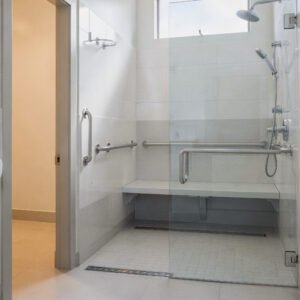
What Is the Best Shower for Seniors? Safe, Accessible Options for Aging in Place
On This Page Introduction Conclusion Related Services Frequently Asked Questions What shower is best for aging in place near Grayslake IL? For many homeowners aging
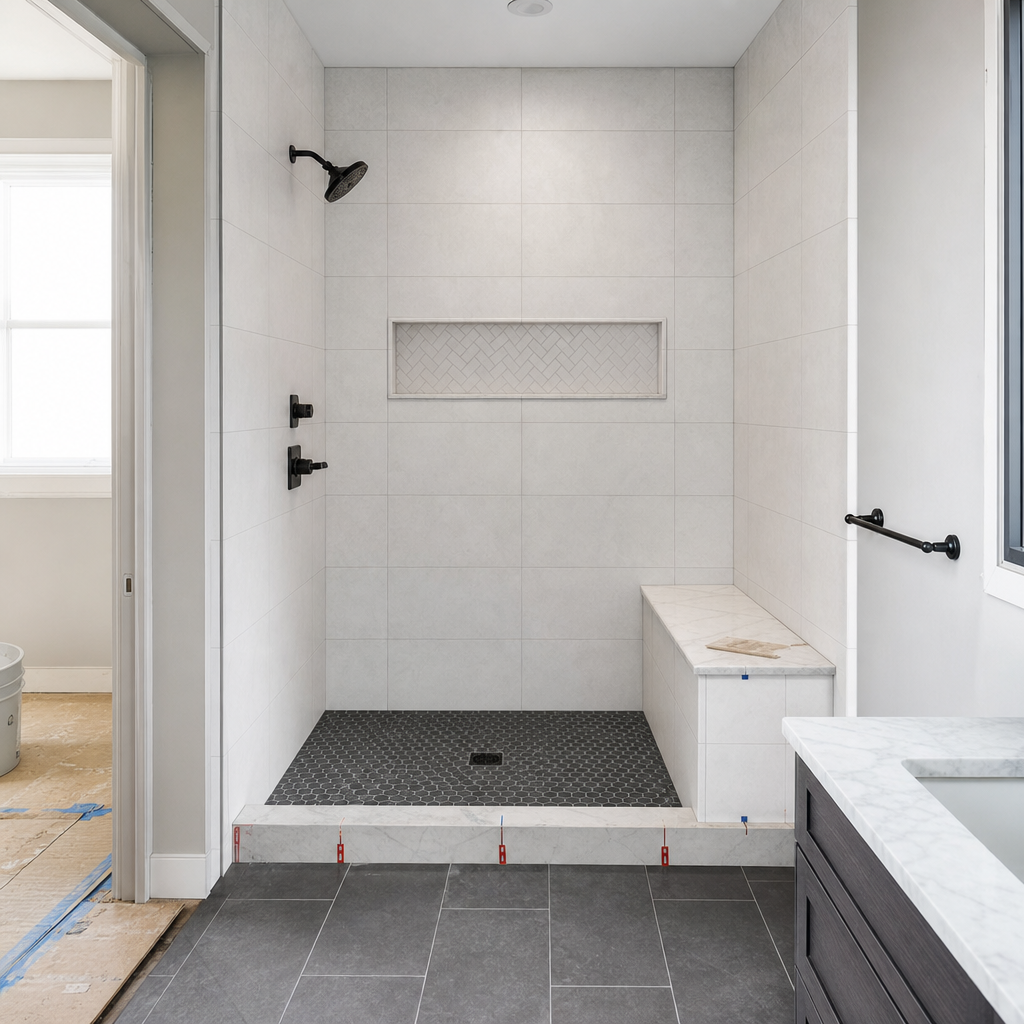
If you’re planning a bathroom renovation, one of the first questions you’ll ask is how long you’ll be without a functioning shower. It’s a fair concern — and the honest answer is that it depends on more variables than most people expect. The type of shower you’re installing, the condition of your existing plumbing, the number of tradespeople involved, and whether you’re doing a replacement or a brand-new build all play a significant role. This post breaks down each of those factors so you can plan realistically, avoid nasty surprises, and keep your project on track. To put the scale of this in context: according to the National Kitchen & Bath Association, over 13 million bathroom renovations are undertaken in the United States every year, and shower installation is a central part of almost every single one of them.
Before diving into the details, here’s a quick reference point. A basic prefabricated shower kit installed by a professional typically takes one to two days. A standard tile shower in a new installation runs three to five days. A full bathroom remodel that includes a new shower can stretch to one to three weeks. And a custom tiled walk-in or wet room shower — with glass panels, steam features, or built-in niches — can take anywhere from two to four weeks from start to finish. These are professional timelines. DIY adds considerable time on top, which we’ll cover later.
For a timeline based on your existing bathroom and chosen materials, explore our shower installation services in McHenry County and request an in-home assessment.
The single biggest variable in your timeline is the type of shower you’re having installed, and the range here is wider than most homeowners realise.
Prefabricated shower units — one-piece or multi-panel acrylic and fiberglass enclosures — are by far the fastest option. A straightforward like-for-like replacement can be completed in as little as four to eight hours by an experienced installer. It’s worth noting that prefab units account for roughly 60% of all shower installations in the United States according to HomeAdvisor data, so this is by far the most common scenario contractors deal with.
Tile shower enclosures take considerably longer, and most of that extra time isn’t labour — it’s waiting. Tile adhesive and mortar need 24 to 48 hours to cure before grouting can begin, and grout itself requires another 24 to 72 hours before the shower can be exposed to water. Factor in the tile-setting work itself and you’re looking at a minimum of three to five days even for a moderately sized enclosure.
Walk-in showers and wet rooms sit in the middle of the complexity range. Because there’s no tray or enclosure to contain water, the waterproofing membrane applied to the walls and floor becomes absolutely critical — and that membrane needs its own curing window of one to two additional days. Most walk-in shower installations run five to seven days from demolition to completion.
At the top end of the scale are custom luxury or steam showers. These involve multiple specialist trades — plumbers, tilers, electricians, and often glaziers for frameless glass panels — and the coordination alone adds significant time. Expect two to four weeks for a high-spec custom build.
Still not sure how long your specific installation will take? Our team will walk you through the whole timeline before a single tile is touched.
Whether you’re replacing an existing shower or installing one in a new location makes an enormous difference to both the timeline and the complexity of the job.
Replacing an existing shower is the simpler scenario. The plumbing and drainage are already roughed in, the structural work is done, and the project is largely cosmetic — stripping out the old unit, making good the walls and floor, and fitting the new enclosure. This typically adds only one to two days on top of a basic demolition.
Installing a shower in a completely new location is a different matter entirely. New plumbing runs need to be laid, drainage channels cut into the floor, and water supply lines rerouted — all of which has to pass a local authority inspection before walls can be closed up. That inspection process alone adds an average of three to five business days to project timelines in most US municipalities. If the new shower position requires moving an existing drain even a short distance, that can add between $500 and $1,500 to the cost and an extra one to three days of labour before the visible installation work even begins.
Even the most straightforward shower replacement can run into delays once the old unit comes out and the wall cavity is exposed. Older homes — particularly those built before the 1970s — frequently have galvanised steel or lead pipework that must be replaced before any new shower can be connected to it safely. That’s a plumbing job in its own right, tacked onto the front of your timeline.
Hidden water damage is perhaps the most common source of unexpected delays. A 2022 HomeAdvisor survey found that 62% of bathroom renovation projects uncovered unexpected issues during the demolition phase. Rotted timber framing, black mould behind tiles, and saturated backer board are all problems that have to be fully remediated before installation can proceed — and skipping that step isn’t an option. Depending on the extent of the damage, remediation can add three to seven days and a meaningful chunk of unplanned cost. For any home over 30 years old, it’s sensible to build a contingency of at least 20 to 30% on top of your quoted timeline just to account for what the walls might be hiding.
A prefab shower swap might need just a single plumber or general contractor for half a day. A custom tiled shower with heated flooring, recessed lighting, and frameless glass is a completely different proposition — it typically requires a plumber for the rough-in and drain work, a tiler for the backer board, waterproofing, and tile installation, an electrician for underfloor heating or a steam unit, and a glazier for the glass enclosure. Each of those trades has their own schedule, and getting them on site in the right order, without gaps, is one of the hardest parts of managing a bathroom project.
According to a Houzz Renovation Trends Report, 47% of contractors cited scheduling delays between trades as the single biggest reason bathroom projects run over time. One practical way to reduce this risk is to hire a single contractor who manages all trades under one roof — doing so can cut coordination delays by an estimated 30 to 40% compared to sourcing each trade independently.
For homeowners confident with tools and basic plumbing, a prefab shower kit is a manageable DIY project — but expect it to take two to four days rather than the one to two days a professional would need, simply due to the learning curve and the slower pace of working without specialist equipment.
Tiling a shower yourself is a bigger commitment. A DIY tile shower realistically takes one to three weeks when you factor in material prep, the cure windows between each stage, and the time spent getting unfamiliar techniques right. The biggest risk in any DIY shower installation isn’t aesthetics — it’s waterproofing. The International Association of Certified Home Inspectors reports that faulty waterproofing is the number one cause of shower failure within the first five years of installation. When that goes wrong, the consequences are expensive: Angi’s 2023 data puts the average cost of water damage repairs from a failed DIY shower installation at between $2,000 and $8,000. For anything beyond a simple prefab unit swap, professional installation is strongly worth the investment.
Planning well in advance is the single most effective thing you can do to keep a shower installation running on time. Bathroom contractors are typically booked four to eight weeks ahead, so reaching out early gives you a much better chance of securing a continuous block of time rather than having the job stretched across fragmented visits. Similarly, ordering tiles, fixtures, and fittings before work begins matters more than people realise — special-order tiles and imported fittings can carry lead times of two to six weeks, and having them arrive mid-project causes costly delays.
Permits should be sorted before demolition starts, not after. It’s also worth clearing the bathroom completely the day before work is due to begin — contractors moving around a half-packed space lose time. Finally, agree on a written schedule with your contractor that includes specific milestones and the cure-time windows baked into the tile and waterproofing stages. Knowing in advance which days the site will be inactive — but still progressing — takes a lot of the stress out of the process.
It’s easy to think of delays in terms of inconvenience, but there’s a direct financial dimension too. Tradespeople charge by the hour or by the day, and every unexpected extra day of work adds up quickly. In the US, plumbers typically charge between $75 and $130 per hour, while experienced tilers run $50 to $100 per hour. A single unplanned extra day of combined labour on a complex installation can easily add $400 to $900 to your final invoice. That’s why realistic upfront planning — and building in contingency time — is far cheaper than reactive problem-solving once the walls are open.
Shower installation timelines range from a single day for a basic prefab replacement to four weeks for a fully custom build, and the difference comes down to shower type, the state of the existing plumbing, trade coordination, and whether you’re working with existing infrastructure or starting fresh. The most important thing any homeowner can do is go in with a realistic picture of what’s involved, get a written timeline from their contractor, order materials well in advance, and leave a time buffer for whatever the walls decide to reveal. A well-planned installation doesn’t just finish faster — it finishes right.
While it is technically feasible to trim a few hours from the schedule using rapid-setting polymers and specialized mortars, rushing the process is generally discouraged. If liquid waterproofing membranes and underlying adhesives do not cure at their natural, manufacturer-recommended pace, moisture can easily become trapped beneath the tile surface. Over time, this weakens the bond, causing the tile to detach or crack.
Changing the physical location of a shower drain is a complex mechanical modification that typically appends one to three business days to your project. If your bathroom sits on a wooden subfloor, the plumber must carefully cut and reinforce the floor joists to run new lines at a proper slope. The timeline extends further if your home is built on a concrete slab, as it requires heavy industrial jackhammering and pouring new cement.
The most frequent project delay is caused by the late arrival or transit damage of finishing materials, such as custom glass doors or specialized tile batches. Because tile colors vary slightly by manufacturing lot, running short mid-project can halt work for weeks while matching pieces are sourced. To safeguard your timeline, we highly recommend waiting to begin demolition until 100% of your materials are safely on-site.
The mandatory waiting period before your first shower depends entirely on the chemical compounds used to seal the unit. For an acrylic shower surround, the silicone caulk requires twenty-four hours to vulcanize completely and establish a reliable waterproof barrier. A custom tiled shower demands a longer wait of forty-eight to seventy-two hours to allow the fresh grout and penetrating sealers to cure fully.
Unless you have extensive professional experience in structural plumbing, framing, and advanced waterproofing, a weekend DIY conversion is rarely realistic. While a trained three-person crew can streamline the process using specialized tools, an independent homeowner typically requires three to four consecutive weekends to complete the same steps safely, leaving the household without a functional bathroom for a month.
Whether you need a full tear-out or a focused upgrade, our team is here to help you create a bathroom you’ll love.
On This Page Introduction Conclusion Related Services Frequently Asked Questions What shower is best for aging in place near Grayslake IL? For many homeowners aging
On This Page Introduction Conclusion Related Services Frequently Asked Questions Ready to Transform Your Bathroom? Schedule Your Free In-Home Estimate Today Free In-Home Estimate
On This Page Introduction Conclusion Related Services Frequently Asked Questions Ready to Transform Your Bathroom? Schedule Your Free In-Home Estimate Today Free In-Home Estimate